


November 21, 2026: Torah Portion Parashat Vayetzei - “And He Went Out”

In this study, we will explore the Torah Portion Vayetzei - “And He Went Out”
Torah: Genesis (Bereshit) 28:10–32:3
Haftarah: Hosea 12:13–14:10
Brit Chadashah (New Covenant): John (Yochanan) 1:19–51

Join us as we explore Torah Portion Vayetzei - “And He Went Out”!
Listen and reflect as the words of this Parashah are read aloud through our NEW AUDIO PODCAST CHANNEL, on Spotify
LISTEN TO THIS TORAH PORTION HERE:
Message by: Elihana Elia & Dr. Hadassah Elia
📜Torah Portion Vayetzei - “And He Went Out”
As we embrace this sacred Shabbat, we turn our hearts and minds to the Torah portion of Vayetzei - “And He Went Out”, accompanied by the prophetic words of Hosea 12 and the illuminating insights from John 1. This week's teachings delve into the profound themes of divine promise, human endeavor, family love, and the eternal connection between heaven and earth.
JACOB'S LADDER, GOD'S FAITHFULNESS & MUSIC WITH A MESSAGE TO STAND IN HIS PROMISES, PREPARE THE WAY OF THE LORD!
OUR MISSION NEEDS YOUR HELP! YOUR SUPPORT IS VITAL TO KEEP US GOING, SO PLEASE PARTNER WITH US, TO EDUCATE THIS NEW GENERATION, FOR THE REVIVAL OF ISRAEL AND THE NATIONS THROUGH THE MESSAGE OF REPENTANCE IN MESSIAH YESHUA, IN THE FULLNESS OF YAH'S RESTORATION, FOR SUCH A TIME AS THIS!
Our work is sustained by the generosity of people like you. By giving, you enable us to continue spreading the truth of Messiah through Torah teaching, prophetic insights, and the power of the good news, the BESORAH, the New Covenant of Messiah Yeshua.
Ways to Give:
• Online: Click here to donate
Thank you for standing with us. Together, we advance His Kingdom!
“STAND” STAND IN HIS PROMISES, PREPARE THE WAY!
This prophetic song, composed by Dr. Hadassah Elia and Elihana Elia, called ”STAND” serves as an anthem of encouragement promoting a message of enduring faith, worship to ADONAI. It is a song that has been part our efforts of global outreach through MEDIA & MUSIC WITH A MESSAGE, distributed on YouTube and online, with millions of viewers.
We hope you enjoy and SHARE this SPIRIT-FILLED, empowering song to STAND IN THE PROMISES OF ADONAI, THE LORD, PREPARING THE WAY OF THE LORD!
Torah Portion: VAYETZEI
Overview of the previous Torah Portion Toldot - "Generations": Genesis (Bereshit) 28:1-10, Isaac gave the blessing to Yaakov (Jacob), who is sent away by his mother Rivkah (Rebecca) as she saw Esau was planning to kill Yaakov for receiving the special blessing. Yaakov, fled with the blessing of Avraham (Abraham, the forefather of our faith). This blessing by Isaac, is over Jacob and his descendants, until today. This blessing includes the promise of the inheritance of the Land of Israel, promised by God, to the children of Abraham, Isaac and Jacob (ISRAEL).
Last week's Parashah showed the condition of Esau's heart, his carnal decisions, the fruit of his rebellion (hostile uprising against authority), bitterness to the Almighty God and disobedience to his own mother and father.
Genesis (Bereshit) 28:10–32:3
Jacob's Divine Encounter at Bethel:
Genesis 28:10-22: While Jacob, fleeing from his brother Esau, was on the way to Haran, he came to a "certain place" (ba'makom) and camped there for the night. Using a stone for a pillow, he dreamed of a ladder (sullam) that was set on the earth that reached to the heavens, with the angels of God (malakhei Elohim) ascending and descending upon it. Then the LORD Himself (YHVH) stood above the ladder and promised Jacob that his offspring would be like the dust of the earth, and that through Him all the nations of the earth would be blessed.
"Behold, I am with you and will keep you wherever you go, and will bring you back to this land; for I will not leave you until I have done what I have spoken to you."
Genesis 28:15
When he awoke from this dream, Jacob was awestruck and called the place "the house of God" (bet Elohim) and the "Gate of Heaven" (sha'ar hashamayim). The following morning, he took the stone he used as a pillow, anointed it with oil, and consecrated the place as Bet 'El (Bethel). Then he made a vow (neder) that if the LORD would be with him, providing for his needs until he returned home to Beersheva, he would tithe to God one-tenth of all of his possessions and would return to worship and pray at the altar he had just consecrated.
This promise underscores the unwavering faithfulness of God to His covenant with us.
Jacob's response to this divine encounter is one of awe and commitment, vowing to tithe and to make Bethel a place of worship if God fulfilled His promise. This act of faith highlights a transactional aspect of his relationship with God but also a profound personal commitment to divine service.
Jacob's Journey in Haran:
Genesis 29:1-30: Jacob meets Rachel, falls in love, and agrees to work seven years for her hand in marriage. Yet, he is deceived by Laban, marrying Leah first by swapping his eldest daughter Leah for Rachel on the very wedding night, a deception Jacob only later discovered the next morning.
After protesting to Laban, Jacob was allowed to marry Rachel a week later, provided that he agreed to work seven more years for his dear father-in-law!
This portion teaches us about labor, love, and the complexities of human relationships, where love can drive one to endure great hardship.
Genesis 29:31-30:24: The narrative continues with the competition between Leah and Rachel for Jacob's affection, leading to the birth of his sons and daughter: The birth of the twelve sons of Jacob: the twelve tribes of Israel.
When the LORD saw that Leah was unloved by Jacob, he "opened her womb" while her sister Rachel remained childless. Leah gave birth to Jacob's first four sons: Reuben, Simeon, Levi and Judah. When Rachel realized that she was barren, she followed her great grandmother Sarah's example and offered her handmaiden, Bilhah, to be a surrogate wife. Bilhah then bore Jacob's next two sons: Dan and Naphtali.
In the madness of this sibling rivalry, Leah thought she had stopped being able to bear children, so she gave her handmaiden, Zilpah, to Jacob as a surrogate wife. Zilpah then bore two sons: Gad and Asher. However, Leah was not finished with her childbearing after all, and gave birth to two more sons, Issachar and Zebulon.
Finally the LORD remembered Rachel's prayers and she gave birth to a son, Joseph (she also gave birth to Benjamin, but that account is given in next week's parashah).
This family drama reveals how God's favor can manifest in unexpected ways, using human imperfection to fulfill His divine plan.
Genesis 30:25-31:55: Jacob's wealth grows, not through deceit but through divine intervention as he prepares to depart from Laban with his family and wealth:
Now after Joseph was born, Jacob wanted to return to Beersheva to see his parents and to settle back in the Promised Land. However Laban persuaded him to remain, offering him sheep in exchange for his labor. Despite his father-in-law's repeated attempts to cheat him, Jacob nevertheless prospered, since God was with him.
After six more years of service, Jacob received a vision from the LORD telling him it was time to return to the land promised to his descendants. After discussing the matter with Rachel and Leah, Jacob decided to flee from the clutches of Laban while he was away shearing sheep, since by this point it was apparent that his father-in-law would never let him leave in peace.
Jacob then got on his way back to the land of Canaan, where he was met by angels from God (malakhei elohim). When he saw the angels, he exclaimed, "This is God's camp!" and called the name of the place Machanayim ("two camps").
The parashah ends with Jacob sending messengers before him to his brother Esau in the land of Edom, explaining that he was returning to his homeland after his long sojourn in Haran.
This speaks to themes of prosperity, divine justice, and the intricate dance of family dynamics.
Key Lessons from Vayetzei:
Jacob can be taught as an overcomer precisely because his life was not easy or perfect. He faced family favoritism, had to leave home, was repeatedly deceived by Laban, and endured fear, grief, and conflict. Yet his story shows a man who kept going and whose life was changed through his encounters with God.
Jacob’s journey as an overcomer:
He left home under threat. After Esau vowed to kill him, Jacob fled. On the journey, God met him in a dream and promised, “I am with you and will keep you wherever you go” (Genesis 27:41–28:15).
He was cheated by Laban. Jacob says Laban changed his wages ten times (Genesis 31:7, 41). Still, Jacob persevered through years of hard work and family struggle.
He faced his past instead of running from it forever. When he returned home, Jacob was afraid to meet Esau. He prayed, prepared, and went forward to face him (Genesis 32:6–21).
He wrestled through the night and would not let go. After the struggle, Jacob received the name Israel. He said, “I have seen God face to face, and my life has been delivered” (Genesis 32:24–30). Hosea later remembers Jacob as one who “struggled with the angel and prevailed,” weeping and seeking God’s favor:
"3 In the womb he grasped his brother’s heel; as a man he struggled with God.4 He struggled with the angel and overcame him; he wept and begged for his favor. He found him at Bethel and talked with him there—5 the Lord God Almighty, the Lord is his name!" Hosea 12:3–5
Jacob’s victory did not mean he never suffered. It meant that through his struggles, God met him, shaped him, and kept His covenant with him. He began as a man who grasped for blessing; over time, he learned to depend on God’s blessing.
About the angels and the “third heaven”:
At Bethel, Jacob saw a stairway connecting earth and heaven, with angels ascending and descending, and God standing above it (Genesis 28:12–15). The passage shows that heaven was not distant from Jacob’s hard journey: God saw him and promised to be with him.
Divine Guidance and Promises: Jacob's encounter at Bethel teaches us that God's promises are not just for the patriarchs but extend to all His children. His vow to God signifies a personal commitment that goes beyond mere transaction; it's about a life dedicated in response to divine favor.
Commitment and Vows: Jacob's vow at Bethel reflects the essence of faith where commitment to God is met with divine fulfillment. It's a lesson on how our pledges of faith, when made with sincerity, invite God's involvement in our lives.
Overcoming Deceit with Integrity: Jacob's life in Haran, where he is both victim and beneficiary of deceit, illustrates that integrity in the face of deception can lead to divine favor and prosperity.
Family Dynamics and Divine Favor: The rivalry and subsequent blessings through Leah and Rachel show us that God's purposes can weave through the tapestry of human relationships, often transforming adversity into legacy.
📜Haftarah: Hosea 12:13-14:10

"1Return, Israel, to the Lord your God. Your sins have been your downfall!
2 Take words with you and return to the Lord.
Say to him: “Forgive all our sins and receive us graciously, that we may offer the fruit of our lips.
3 Assyria cannot save us; we will not mount warhorses. We will never again say ‘Our gods’ to what our own hands have made, for in you the fatherless find compassion.” Hosea 14:1-3
In this Haftarah, the story of Jacob's struggle with the angel is used to highlight the Israelites' unfaithfulness to God, reminding them of their humble beginnings and how God had chosen them despite Jacob's deceitful nature, while also emphasizing that YHWH's covenant with them remained despite their rebellion; essentially, Jacob's struggle represents the Israelites' need to wrestle with God and seek true repentance to overcome their sinfulness.
Key points about Jacob's struggle in Hosea 12:
Jacob's Past: The passage recalls Jacob's flight from Esau to Aram, where he worked for Laban to gain wives, highlighting his initial desperation and reliance on God's providence.
Contrast with Moses: Verse 13 contrasts Jacob's situation with Moses, who led the Israelites out of Egypt as a faithful prophet, emphasizing how God had chosen to deliver His people.
"He wrestled with God": This refers to the famous story in Genesis 32 where Jacob wrestled with an angel all night and received a new name, Israel, signifying his perseverance and faith. Also, the identity of the children and the Kingdom of God, as ISRAEL.
Application to Israel: By reminding the Israelites of Jacob's struggle, Hosea criticizes their current behavior, accusing them of abandoning their covenant with God and failing to live up to the legacy of their forefathers.
What does this passage teach us?
God's faithfulness despite our flaws: Even though Jacob was a flawed man, God remained faithful to him, fulfilling His promises to Jacob (Israel) and to his descendants.
The importance of TESHUVAH repentance: The story of Jacob's struggle is a call to the Israelites to acknowledge their sin and seek reconciliation with God through genuine repentance, through faith in Messiah Yeshua, our Salvation, and obedience to the Word of ADONAI. To be the light of the Nations, that God created ISRAEL to be.
God's sovereignty: Despite their actions, God is still in control and can use even the most unlikely situations to bring about his purposes. Hosea recalls Jacob's struggle, connecting it to Israel's spiritual journey. The prophet calls for TESHUVAH repentance and return to God, emphasizing His enduring love:
"Yet I am the Lord your God Ever since the land of Egypt, And you shall know no God but Me; For there is no savior besides Me." Hosea 13:4
This passage serves as a reminder of God's steadfast love and His readiness to restore, just as He did with Jacob.
MAY WE NEVER PUT ANYTHING ELSE BEFORE ADONAI, OUR ELOHIM!
📜Brit Chadashah (New Covenant) Reading: John 1:19–51
John's narrative brings us to the New Testament's revelation of Yeshua, who embodies the ladder Jacob saw, connecting heaven and earth:
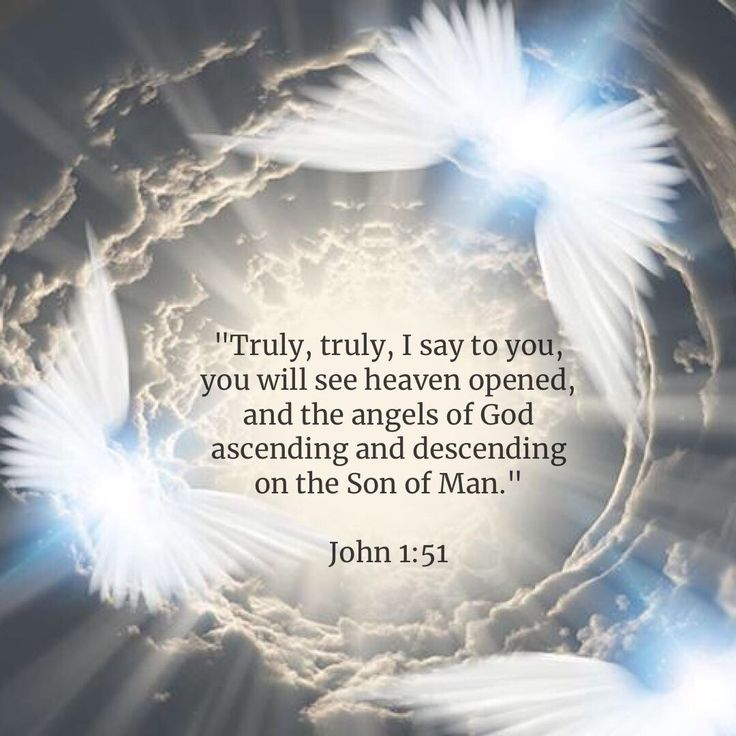
"Yeshua says, "Most assuredly, I say to you, hereafter you shall see heaven open, and the angels of God ascending and descending upon the Son of Man." John 1:51
Here, Yeshua is presented as the ultimate connection between God and humanity, fulfilling the imagery of Jacob's ladder.
Relatable Message for Today:
In our lives, like Jacob, we often encounter challenges and deceptions.
Yet, Vayetzei teaches us to:
Trust in God's Promises: Like Jacob, we must trust in God's promises despite the detours of life. Even when life takes us through unexpected paths, we should remember God’s promises are sure. He is with us in our journeys, providing and protecting. Our faith journey is often not linear but filled with challenges that test and ultimately strengthen our faith.
Value Integrity: In an age where integrity can be compromised, let us stand firm in righteousness, knowing that God honors those who walk in His ways. Let's strive to honor the Lord as we act with integrity, trusting that God will honor our honesty. He is the REWARDER of those who diligently SEEK HIM.
Appreciate Divine Timing: The story of Jacob's life shows that God's timing is perfect, even if it doesn't align with our expectations. Jacob's life exemplifies the need for patience with God's timing. Our plans might not unfold as we expect, but God's timing is perfect and purposeful. Patience and faith in His timing are crucial.
Building Altars of WORSHIP TO ADONAI: Jacob established Bethel as a place of remembrance. Just as Jacob set up a stone pillar to mark his encounter with God, we should establish 'altars' in our lives—a place set apart to spend time in worship, in His presence. Setting aside precious moments to stop and hear from God is crucial for our own spiritual growth. This will strengthen our relationship with the Almighty and remind us of God’s faithfulness, encouraging us to give back to Him as Jacob did; the praise that Adonai deserves in our lives.
We too should set aside the proper time, especially during the High Holy Days and appointed times, to seek Adonai, and practice obedience to His Word through faith. May we serve Adonai with all our hearts, minds, bodies, soul and spirit, offering up our lives as a living sacrifice before Him! An altar, as we remember His faithfulness!
A Prayer for This Shabbat:
"Lord, as we reflect on Jacob’s journey, help us to see Your hand in our lives. Teach us to trust in Your promises, to act with integrity, and to recognize Your timing. Allow us to seek You before all things. Make our lives a testament to Your faithfulness. May we, like Jacob, commit to You fully, not out of necessity, but out of love and gratitude for Your unending grace. In Yeshua’s Mighty Name, Amen.”
Shabbat Shalom from, DR. HADASSAH ELIA & ELIHANA ELIA
Restore Israel & the Nations - RONI International Alliance


Praying for Elihana's generation.